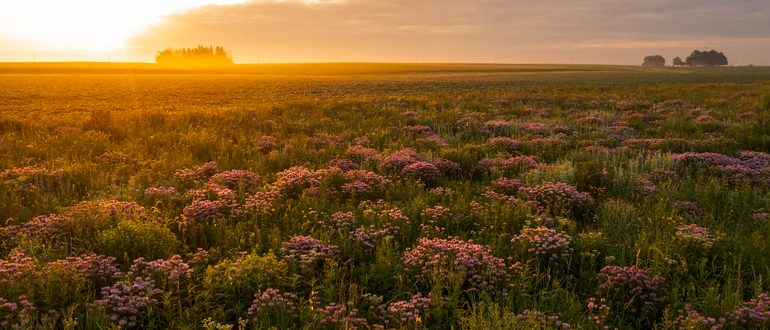
Going Wild With Nature: How GoGo squeeZ Is Helping Bring Biodiversity Back to American Farmland
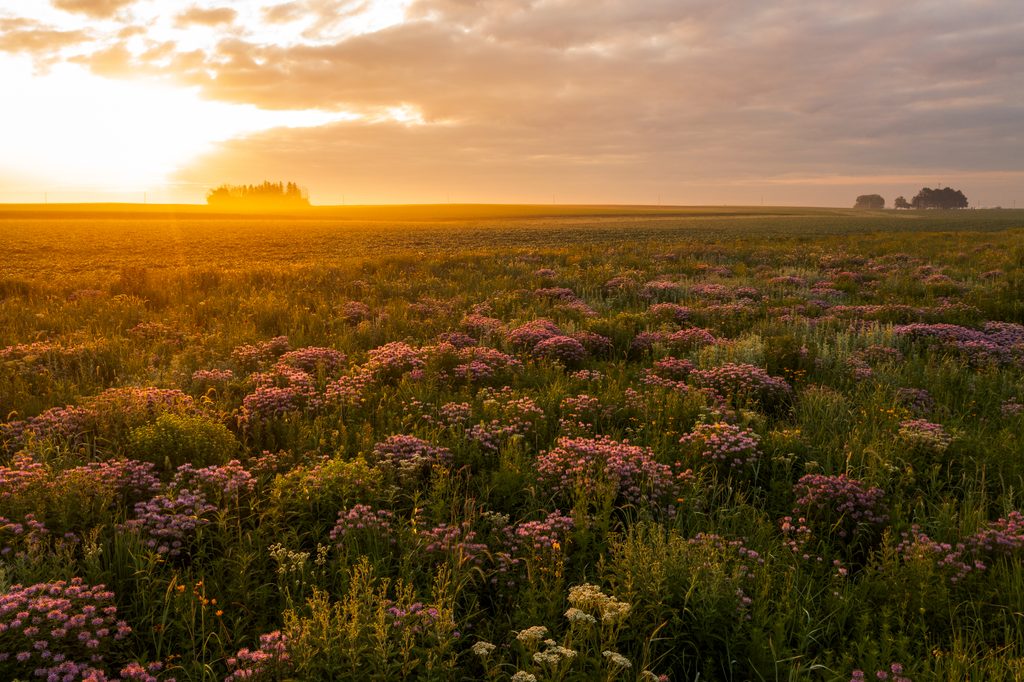
Wilding is a 50-year regenerative agriculture initiative led by Mad Agriculture and convened by Whole Foods Market, in which Bel (GoGo squeeZ’s parent company) and 19 other food brands committed a combined $1 million to begin transforming 65 million acres of American farmland into connected, biodiverse habitat. Here’s what we’re building, why it matters for the food in your kids’ lunchboxes, and how families can be part of it.
Every GoGo squeeZ pouch starts in an orchard or a field. Real apples, real fruit, grown on real farms by real farmers. So when the people behind those farms tell us the soil, the pollinators, and the wild edges of their land are under pressure, we listen, and we look for ways to help.
That’s the simple reason GoGo squeeZ’s parent company, Bel, signed on to Wilding. It’s a long-term plan, led by an organization called Mad Agriculture, to reconnect American farmland with the wild ecosystems that have always supported it. The big idea is that farms and nature shouldn’t have to compete. They work better together, and the food we eat depends on it.
- Wilding is a regenerative agriculture project that reconnects working farmland with the wild ecosystems that support it, built around a 50-year plan called the Wild Grid.
- Biodiversity is not a nice-to-have for food: healthy soil, pollinators, and native field edges are what make reliable harvests of fruit possible in the first place.
- The first phase is underway in the Driftless region of the Upper Midwest, where partners have planted and maintain 113 acres of reconstructed prairie.
- Bel, the parent company behind GoGo squeeZ’s real-fruit pouches, joined as one of 20 founding partners contributing to the first $1 million invested.
- Families can take part now through everyday choices: backyard pollinator gardens, nature walks, and supporting brands transparent about where their ingredients come from.
The Wild Grid: a 50-Year Plan to Reconnect Farms and Nature
The Wild Grid is Mad Agriculture’s 50-year vision to transform 65 million acres of land into thriving, interconnected corridors that weave together farmland, conservation areas, and public and private lands. It is the framework at the heart of Wilding, the broader regenerative agriculture strategy designed to reconnect farmland and ecosystems across the United States.

In plain terms: think of the edges of farms: the hedgerows, the strips of native plants between fields, the buffer zones along streams, the spaces under power lines. Most of that land is underused. Wilding turns those overlooked spaces into living habitat for pollinators, birds, native plants, and the soil microbes that quietly keep agriculture working.
The first phase is already underway in the Driftless region of the Midwest, a stretch of land across Wisconsin, Iowa, Illinois, and Minnesota known for its unglaciated hills, cold-water streams, and unusually rich ecology. It’s the perfect proving ground.
Joined by 20 Pioneering Food Brands

Why Biodiversity Decides What Ends Up in the Lunchbox
Biodiversity is the working engine of the food supply: the soil life, pollinators, and native plants that together make reliable fruit and vegetable harvests possible. It is not just nice to have. It is how food works.
Healthy soil grows healthier crops. Pollinators show up to do the work that makes apples, berries, and other fruits possible. Native plants along field edges support the insects that keep pests in check, naturally. Wetlands and prairie strips slow water down and keep nutrients on the farm instead of in the river. All of that means more reliable harvests, for the farmers who grow our food and for the kids who eat it.

For GoGo squeeZ, the math is simple. Our pouches are made with real fruit, no high fructose corn syrup, no dyes, no artificial flavors. That commitment is only as strong as the orchards and fields behind it. Protecting biodiversity is protecting the supply of real ingredients we put in every pouch, and the resilience of family farms for the long haul.
20 Food Brands
Wild Grid Opportunity
For American Farmland
Meet the Partners: Whole Foods Market and Mad Agriculture
Wilding is the work of an unprecedented coalition: 20 food brands convened by Whole Foods Market, working alongside Mad Agriculture, a regenerative-agriculture nonprofit that has been transforming the American farm landscape since 2018.
Mad Agriculture
A 501(c)(3) nonprofit working with farmers, ranchers, scientists, and food brands to bring regenerative agriculture into the mainstream. The team operates through four connected arms: Mad Capital (financing for farmers), Mad Lands (farm-level planning), Mad Markets (helping farmers reach buyers), and Mad Revolution (storytelling and movement-building). They’re also the project lead and on-the-ground partner for Wilding. Learn more at madagriculture.org.
Whole Foods Market
Whole Foods convened the Wilding coalition and is the lead retail partner. The investment fits inside Whole Foods Market’s broader sustainability strategy, laid out in detail in their 2024 Impact Report. Whole Foods has been named the top-ranked retailer on the Friends of the Earth Bee Friendly Retailer scorecard and ranked one of Forbes’ Best Brands for Social Impact, a track record that makes them a credible convener for this kind of work.
The Wild Grid helps reconnect fragmented ecosystems and bring biodiversity back into the heart of agriculture.
Caitlin LeibertVP of Sustainability, Whole Foods Market
What’s Happening in the Driftless
The Driftless is a 24,000-square-mile stretch of the Upper Midwest, named for the unglaciated terrain that left it with dramatic bluffs, cold-water streams, and farms sitting at the intersection of working land and rich natural habitat. It is an ideal proving ground for the Wild Grid because the ecology is intact enough to restore quickly, and the farms are small enough to engage meaningfully with the project.

Whole Foods Market’s broader regenerative work in the Driftless is already on the ground. Through the Wilding partnership, Mad Agriculture and participating farmers have planted and are maintaining 113 acres of reconstructed prairie, most of it on farms that supply ingredients to brands you’ll recognize on Whole Foods’ shelves. Suppliers like Lil Bucks, which sources Regenerative Organic Certified buckwheat from Luke Peterson Farms, are part of this same web of restoration work.
Bel, GoGo squeeZ’s parent company, joined as one of 20 founding partners and contributed alongside the rest of the coalition to the first $1 million invested. It’s an early seat at a long table, exactly the kind of seat a brand committed to real fruit and real farming should be working hard to fill.
Go Wild With Nature: How GoGo squeeZ Families Can Join In
Going wild with nature is the everyday version of Wilding: small, repeatable choices that make room for wildness at home, even though the Wild Grid itself is a 50-year, large-scale project. The spirit behind it, reconnecting with nature and recognizing that healthy people and healthy ecosystems go together, is something every family can be part of starting today.

That’s the idea behind our Go Wild With Nature content this year. Across our social channels, we’ll be sharing simple ways to bring a little more wild into everyday family life: backyard pollinator gardens, neighborhood nature walks, kid-friendly conservation projects, and the small everyday choices that add up. You don’t need 113 acres of prairie to make a difference. You just need to start somewhere.
Follow along on Instagram and TikTok, and tag us when you’re outside with your kids. We’d love to see how your family goes wild.
Frequently asked questions
What is regenerative agriculture?
Regenerative agriculture is a way of farming that goes beyond sustainability; it aims to actively rebuild soil health, restore biodiversity, and improve water cycles on working farms. Practices include cover cropping, reduced tillage, rotational grazing, and integrating native plants and habitat into and around fields. The result is healthier land, more resilient crops, and a smaller climate footprint.
Where does the fruit in GoGo squeeZ pouches come from?
GoGo squeeZ pouches are made with real fruit sourced from farms, mostly apple orchards, that meet our quality standards. We don’t add high fructose corn syrup, dyes, or artificial flavors. What’s in the pouch is the fruit itself. Supporting initiatives like Wilding helps protect the long-term health of the farms our ingredients come from, so families can keep enjoying real-fruit snacks for generations to come.
Why is Bel involved in a biodiversity project?
Bel is GoGo squeeZ’s parent company and a global food group with a long-standing commitment to sustainable agriculture and biodiversity. Bel’s regenerative-agriculture and biodiversity strategy is part of why GoGo squeeZ is at the table for Wilding. You can read more about Bel’s broader commitments in the Bel Biodiversity Policy.
How can families support biodiversity-friendly food brands?
The easiest way is to vote with your grocery cart. Look for brands that are transparent about where their ingredients come from, that publicly support regenerative agriculture, and that partner with conservation organizations. Beyond shopping, families can plant pollinator-friendly gardens, support local farmers’ markets, and choose schools and community programs that connect kids with where food comes from. Small, consistent choices add up to big change.
This is just the beginning
The Wild Grid is a 50-year vision. But every long project starts with a first acre, a first season, a first partner who said yes. We’re proud that GoGo squeeZ, through Bel, is one of the brands that said yes early.